The Four Unholy Desires the Liturgy Teaches Us to Fast From
The Four Unholy Desires the Liturgy teaches us what to Fast From, especially during Lent.
These are all essays that are concerned with the benefits, best practices, and importance of worship and the praxis of the Christian faith.
The Four Unholy Desires the Liturgy teaches us what to Fast From, especially during Lent.
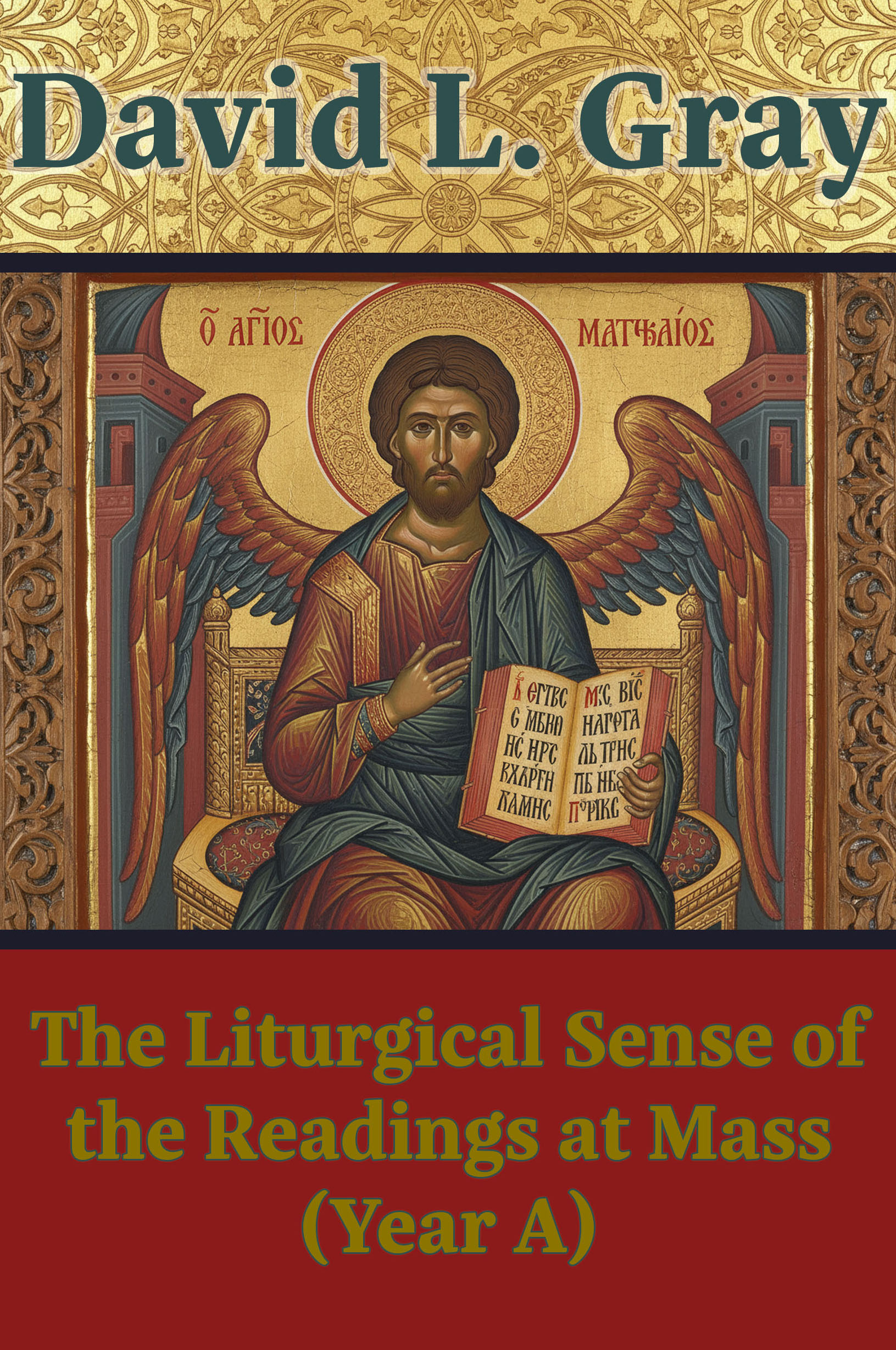
🕊️ New Release Alert! Just launched: The Liturgical Sense of the Readings at Mass – Year A 📖 This guide unlocks the spiritual depth of every Sunday’s readings, helping you hear the Word
The Liturgical Sense of The Readings at Mass – Year A by David L. Gray offers thoughtful reflections on the Sunday readings, illuminating their spiritual and liturgical significance for Catholics journeying through the Church year.
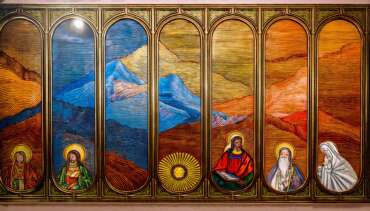
Explore the rich tradition of the 'O Antiphons' in the Advent Liturgy, a profound and beautiful practice that deepens our anticipation of Christ's birth. Discover the historical and theological significance of these ancient chants, and

Explore the rich history and evolving usage of the Advent Wreath within Catholic tradition, its role in catechesis, and the delicate balance between private devotion and liturgical practice.
In this essay, Deacon Christopher Major explores the importance of love, patience, and unity in the church, emphasizing God's commands and the teachings of Jesus. It uses the parable of the Good Samaritan and stories
David L. Gray explores the integral role of the homily in the Catholic Mass, its significance in nurturing Christian life, and the balance between its importance and the sacred rhythm of the liturgy.

Deacon Gerald Marie Anthony explores how the Rosary connects us to the Cross, fostering our identity in Christ and guiding us through life’s challenges with faith, hope, and love. Discover the profound lessons and victories

Discover the profound wisdom of Saint Catherine of Siena and her teachings on Divine Providence. Learn how embracing God’s will can lead to a life of peace and spiritual fulfillment, inspired by the timeless words

In this essay for the 10th Sunday after Pentecost in the Melkite Calendar, Deacon Christopher Major discusses the distinction between faith and belief, emphasizing that true faith involves trust and commitment beyond mere acceptance of

Divine Encounters and Compassion: Explore a man’s transformative journey with the Missionaries of Charity, where faith, service, and the mystery of the Holy Eucharist converge to ignite a fire of divine love and purpose.
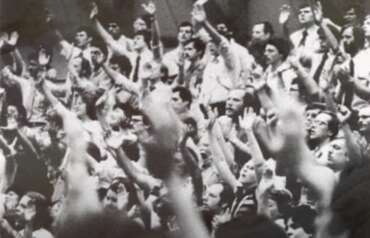
The essay critiques the Charismatic Movement’s failure to impact the modern world compared to its early Church counterparts. It highlights the lack of sustained enthusiasm, theological depth, and spiritual leadership, emphasizing the necessity for personal
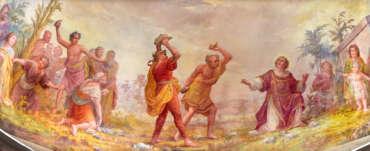
Homily by Deacon Christopher Major for the 7th Sunday after Pentecost - Melkite Lectionary. READINGS: John 20:1-10, Romans 15:1-7, and Matthew 9:27-35.

Christians should read this essay to understand how devotions to the Sacred Heart of Jesus and Divine Mercy offer a counter-narrative to modern-day heresies, providing a path to uphold dignity and embrace God’s love in

Spiritual theologian David Torkington explains in prose how the Charismatic Renewal Movement began on the day of Pentecost and was united with contemplative prayer.

It is time to ask the faithful clergy we have to focus on just showing us the Father.
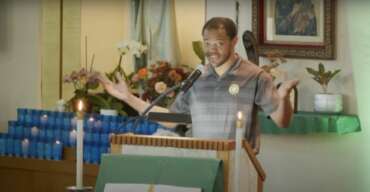
In this essay, I will explore what the Catholic Church teaches about non-ordained persons concelebrating/quasi-presiding at Mass as homilist and how that affects the validity of the liturgy itself.
Are you ready to dive into the amazing world of the Catholic Mass? Do you want to discover the hidden treasures of the liturgy, the beauty of the sacred music, and the profound wisdom of
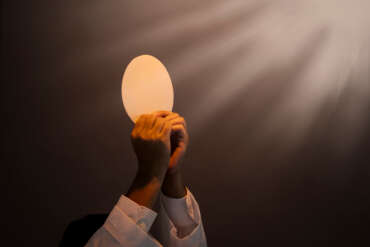
According to a recent research, the official doctrines of the Catholic Church on the Holy Eucharist and Confession are not accepted by most U.S. Catholics, who are still not attending Mass regularly.

Ad orientum is not a backward or outdated practice, but a rich and meaningful one that deserves to be rediscovered by many Catholics today.
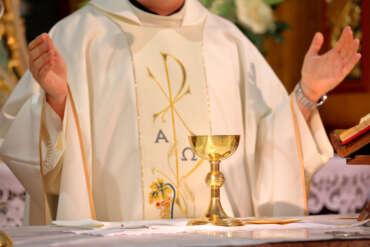
Why you should avoid the orans posture during the Lord's Prayer, according to Church documents and tradition.

The Carolingian liturgical reforms were a series of efforts by the Frankish rulers and their allies to standardize and improve the religious practices of their kingdom. They aimed to achieve doctrinal unity, harmony with Rome,
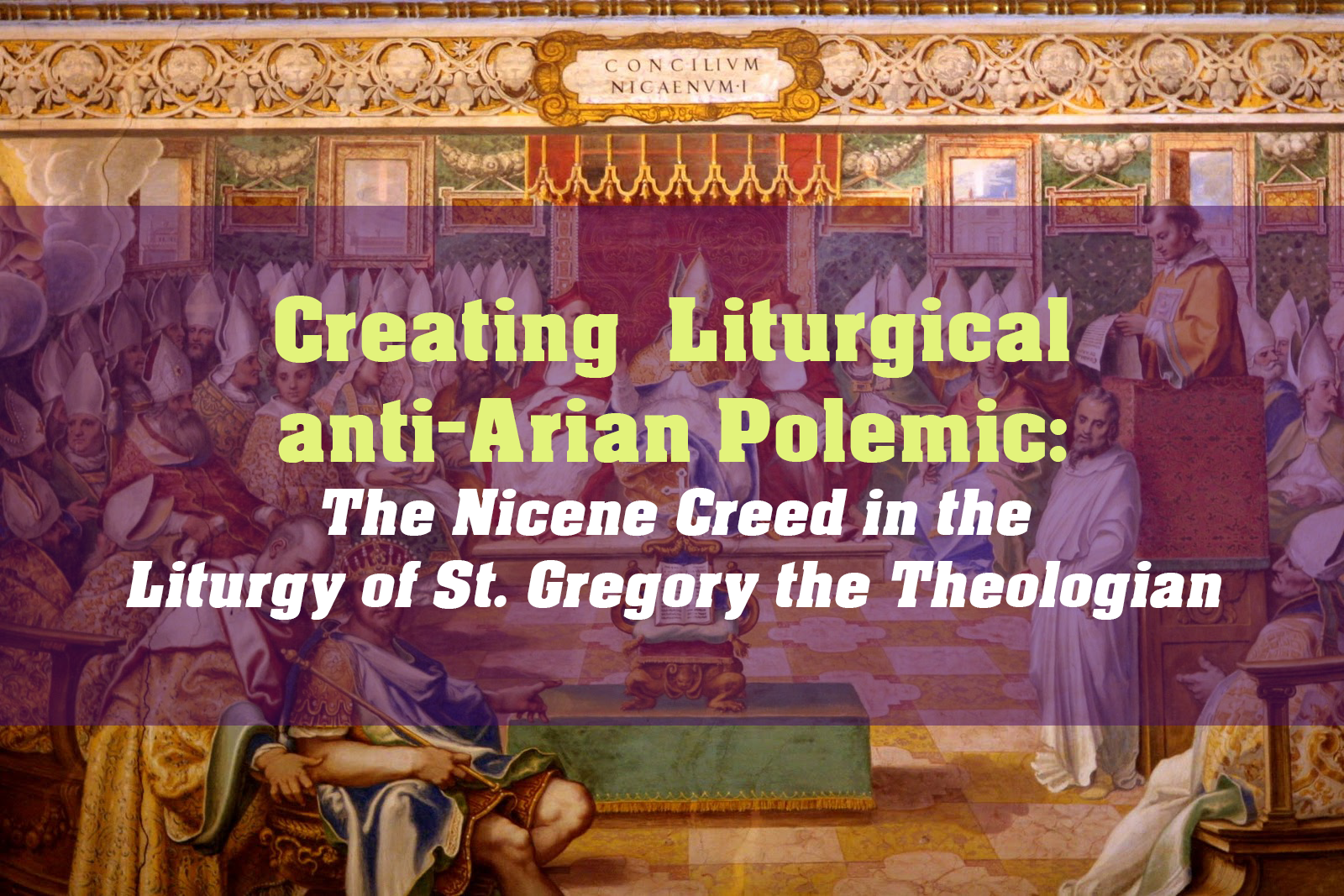
That the “Christusanrede” in the liturgy of St. Gregory functions as a way to portray anti-Arian theology is confirmed by other elements of the text. One interesting example of this is in the final prayer
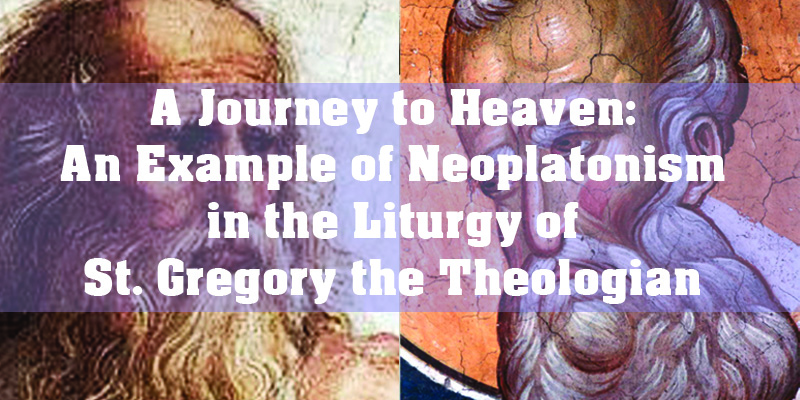
Nascent Christianity dealt with a number of growing pains, especially in how to express the relationship of the persons of the Trinity to one another. The difficulty in expressing this resulted in a number of