

A Love Story: Manuel’s Side of the Story
I pursued you long before you knew My name. I watched your wounds, your longing, and your restless search for truth. When the time was right, I led you to the one who could hold
These are articles on Catholic Theology.
I pursued you long before you knew My name. I watched your wounds, your longing, and your restless search for truth. When the time was right, I led you to the one who could hold
I knew you long before you recognized me. I watched you search, wander, and ache for a love that would not abandon you. When you finally stepped into my house, I felt your soul tremble
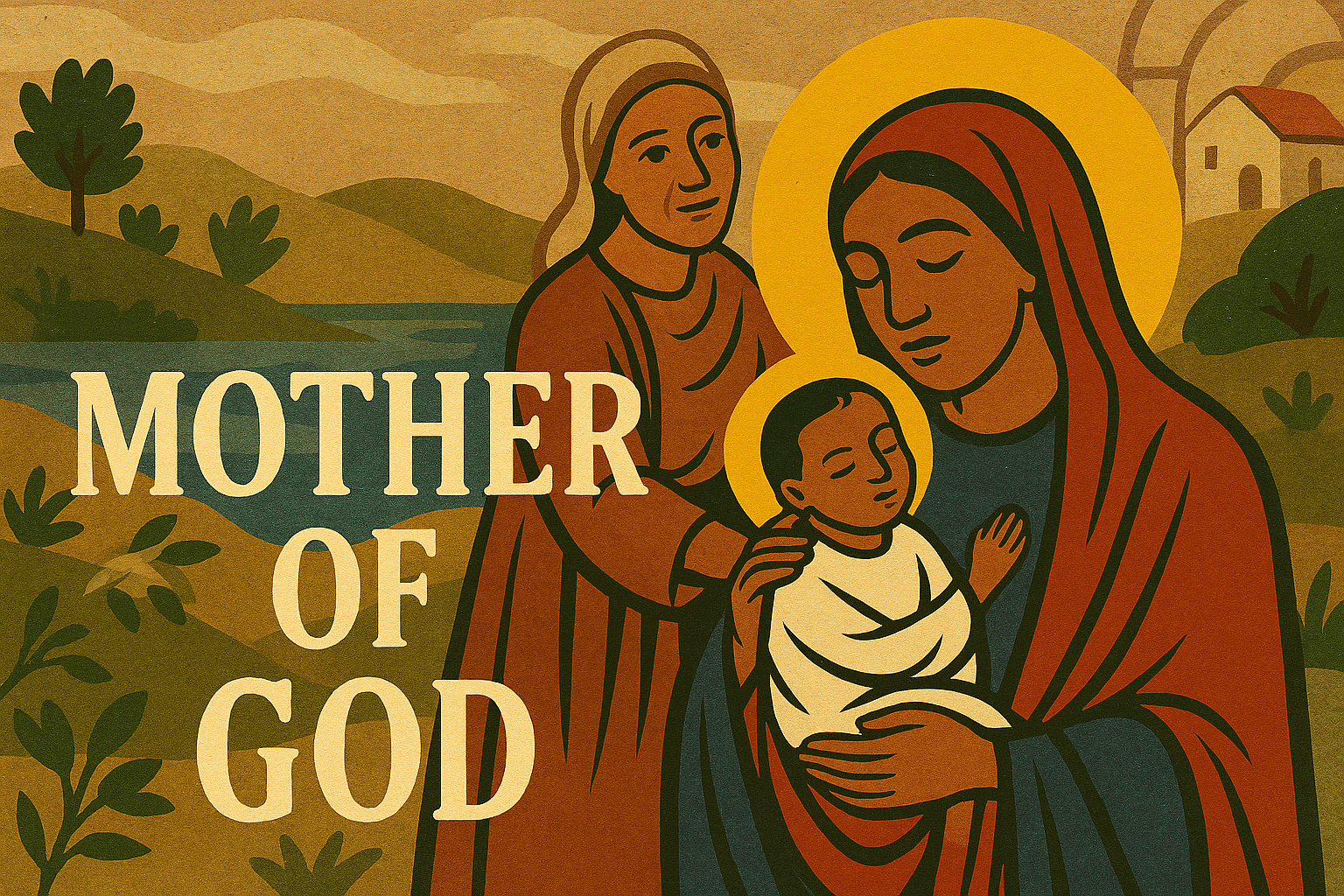
Mary’s title as Mother of God reveals the heart of Mariology: humble obedience, divine intimacy, and ecclesial authority. This essay explores how her fiat models submission to truth over self-assertion, anchoring theological clarity.
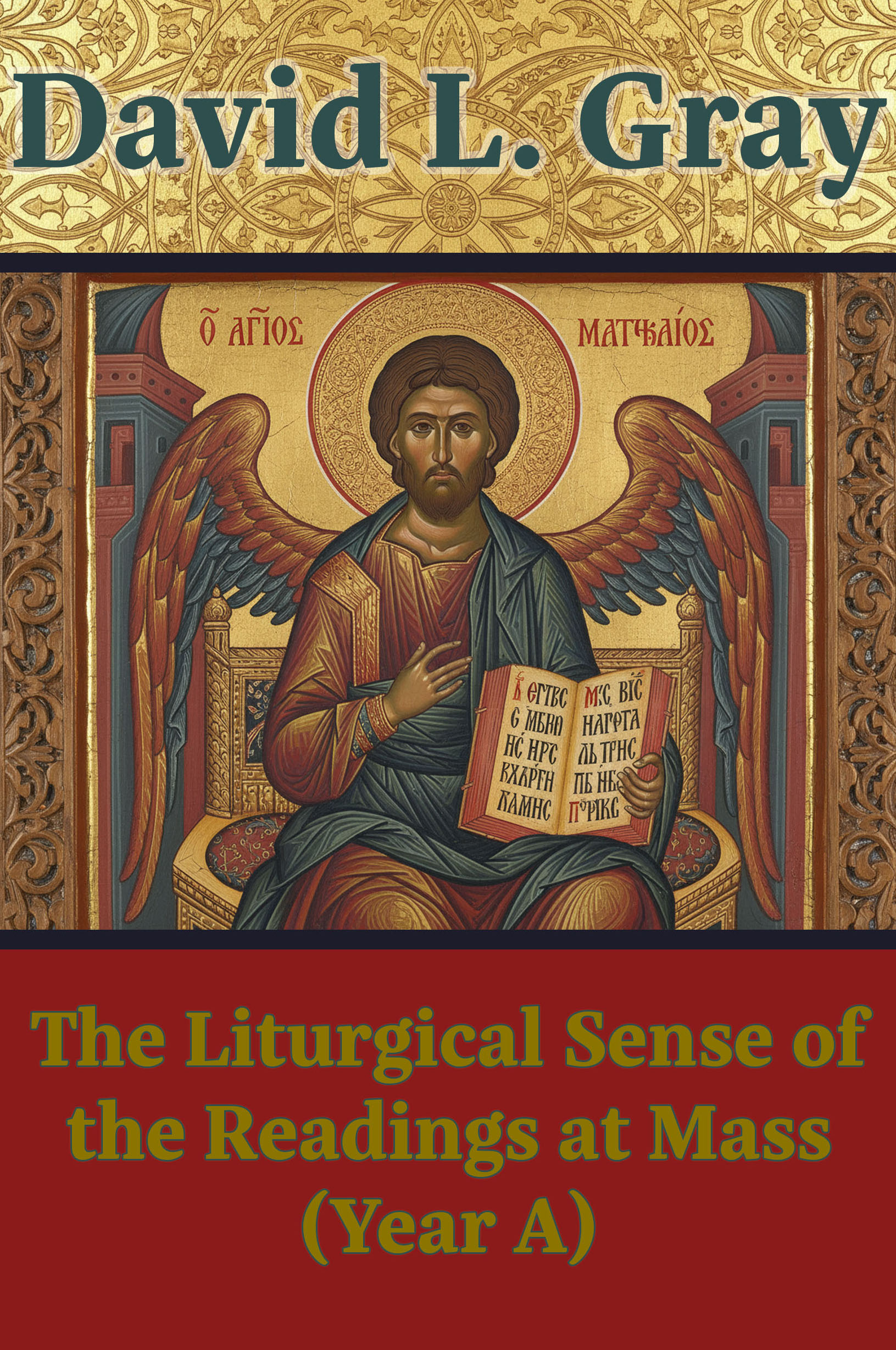
📖 The Liturgical Sense of the Readings at Mass (Year A) — Free for Gaudete Sunday!
🕊️ New Release Alert! Just launched: The Liturgical Sense of the Readings at Mass – Year A 📖 This guide unlocks the spiritual depth of every Sunday’s readings, helping you hear the Word
In 1845 Saint John Henry Newman wrote An Essay on the Development of Christian Doctrine, where he defends the idea that doctrine matures over time under the guidance of the Holy Spirit, just as Jesus
Explore David L. Gray's essay on Catholic doctrine asserting that the Eucharist is inseparable from the Mass. It emphasizes proper intention, form, and ecclesial communion, rejecting sacrilegious practices and upholding canon law to protect the
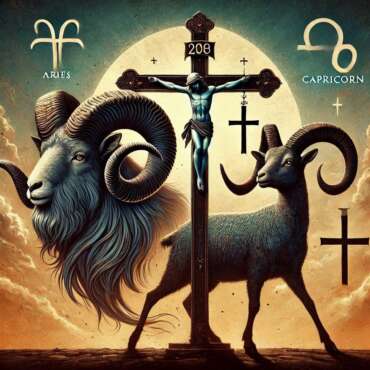
Explore the profound connections between the Annunciation, the creation of the world, and the Nativity of Jesus Christ. Delve into the symbolism of the Aries Ram, the sacrifice of Isaac, and the cosmic significance of
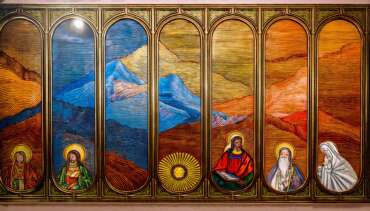
Explore the rich tradition of the 'O Antiphons' in the Advent Liturgy, a profound and beautiful practice that deepens our anticipation of Christ's birth. Discover the historical and theological significance of these ancient chants, and
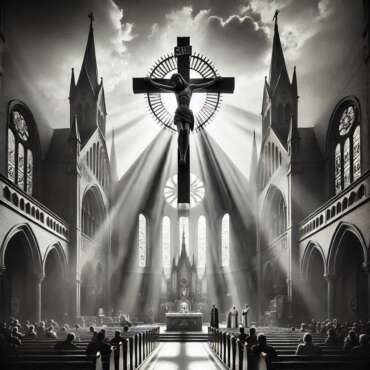
Discover the significance of full submission to Catholic Church teachings, as highlighted by the Second Vatican Council. This essay explores doctrinal decisions, theological certainty, and the consequences of rebelling against Church authority. A must-read for

In this essay, John Paul explores the Christian duty to vote within a democracy, contrasting utilitarian ethics with the moral teachings of the Church. This essay delves into the complexities of promoting the common good
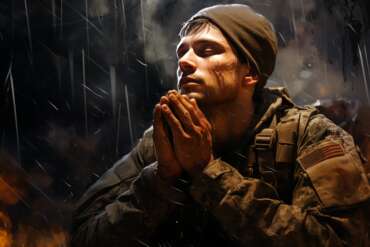
Explore the historical and theological perspectives on nonviolence and military service within the early Christian Church, contrasting traditionalist views with modern interpretations.

This essay by David L. Gray discusses the Catholic Church’s teaching on the death penalty, highlighting its incompatibility with the Gospel and Jesus’ teachings.

“Exploring the symbiotic relationship between communal liturgy and private prayer, this essay by spiritual master David Torkington reveals how both enrich our spiritual lives, bridging the gap between the sacred and the personal.”
The "Declaration 'Dignitas Infinita' on Human Dignity" stands as a significant document within the Catholic Church, reflecting a deep engagement with the concept of human dignity in the modern world.

It is time to ask the faithful clergy we have to focus on just showing us the Father.

Catholics are forbidden from being Freemasons, but in the Philippines, the Catholic Church faces a battle to uproot Freemasonry out of the Filipino national identity.

A critical examination of Pope Francis' vision of a Synodal Church, how it weighs into history, Eastern synodality, and criticisms from traditional Catholics.
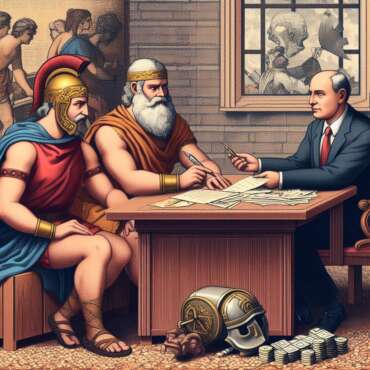
The essay argues that Augustine's and the Catholic Church's 'Just War' Theory are relics from a time when BlackRock, Vanguard, and State Street were not in charge of the corporate war industry.

The death penalty is a form of violence that contradicts the Christian message of love and mercy. It is a failed sacrifice that does not bring justice or healing to anyone.

This essay explores the Carolingian debate about the proper way to celebrate Easter and explain why it was one of the most important controversies in the history of Christianity.

The Carolingian Debates on the Real Presence of the Holy Eucharist is a wonderful historical example of when the development of doctrine meets the Doctrine of Indefectibility.
This essay will explore an explanation to resolve the theological contradiction in saying that the Church (the Body of Christ) has a preexistent nature (i.e., ‘there was never a time when the Church did not exist’)
o summarize the Catechism of the Catholic Church, a sacrament is fundamentally a visible sign of an invisible reality of Salvation. In his book, Introduction to the Mystery of the Church, De La Sojeole says:
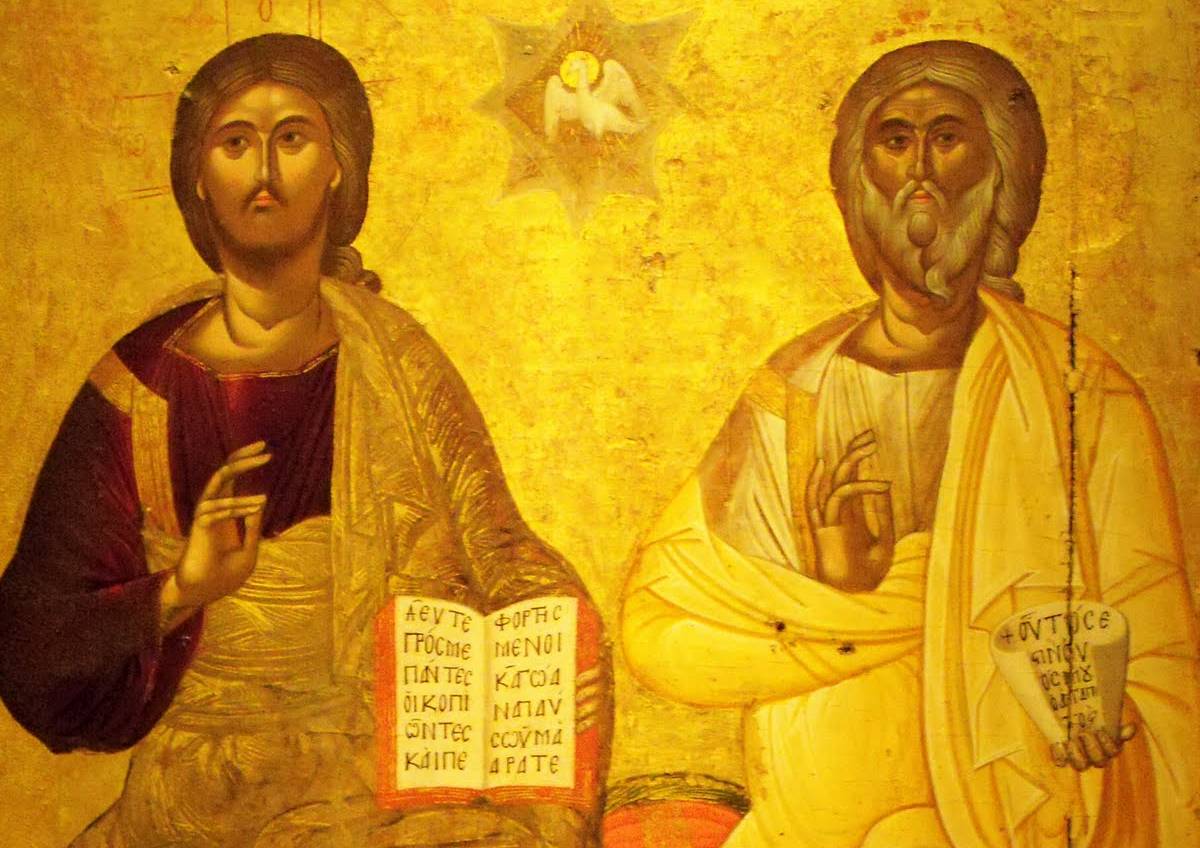
The creeds promulgated at the Councils of Nicaea (325) and Constantinople (381) are not the earliest patristic affirmations concerning the nature, personhood, and salvific work of the Triune God. Nevertheless, they constitute the Church’s first
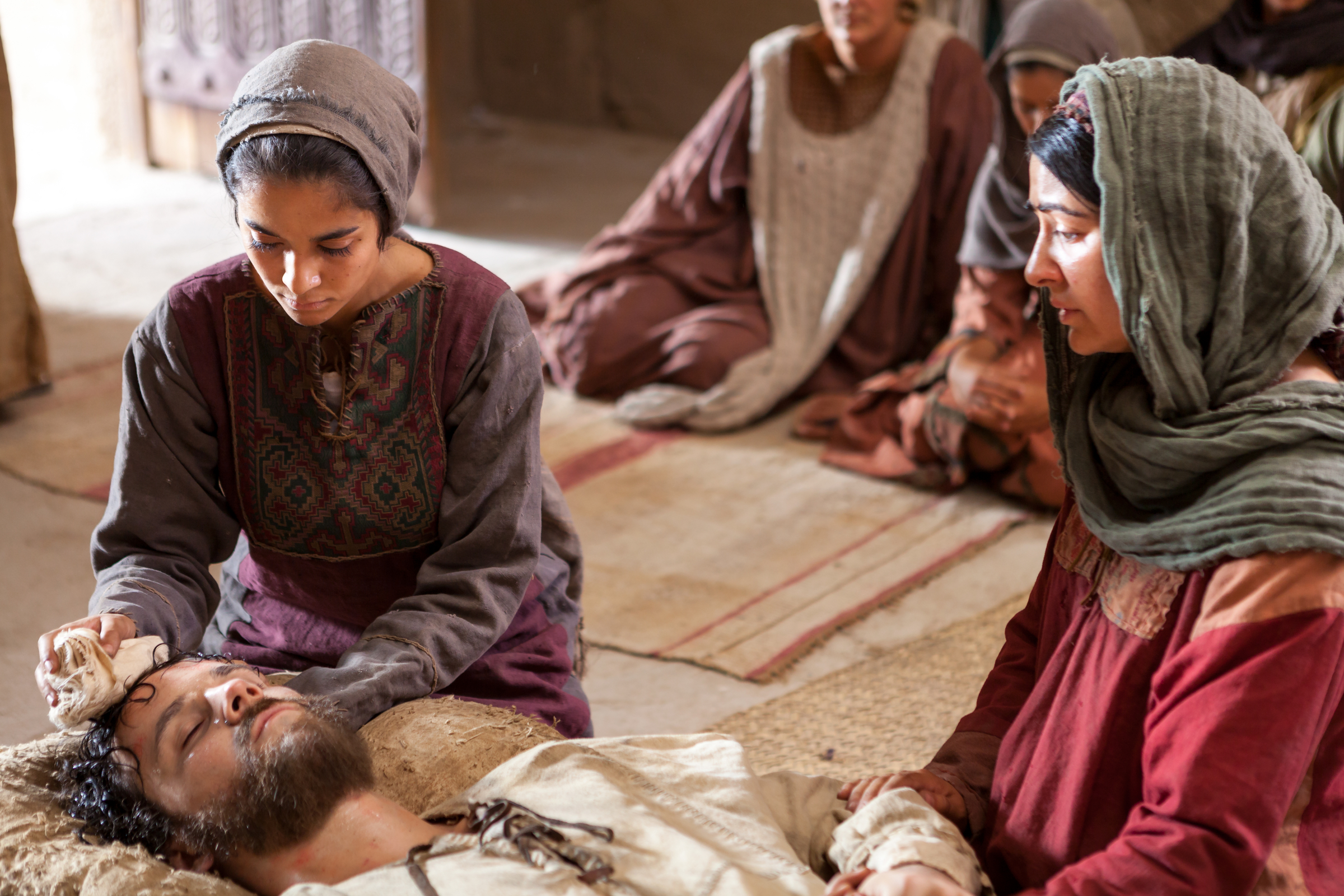
Introduction This exegesis paper will concentrate on John 11:1-44 (the Raising of Lazarus) and will offer a particular focus on the historical aspect of the passage regarding the historical reliability concerning the family of Mary,
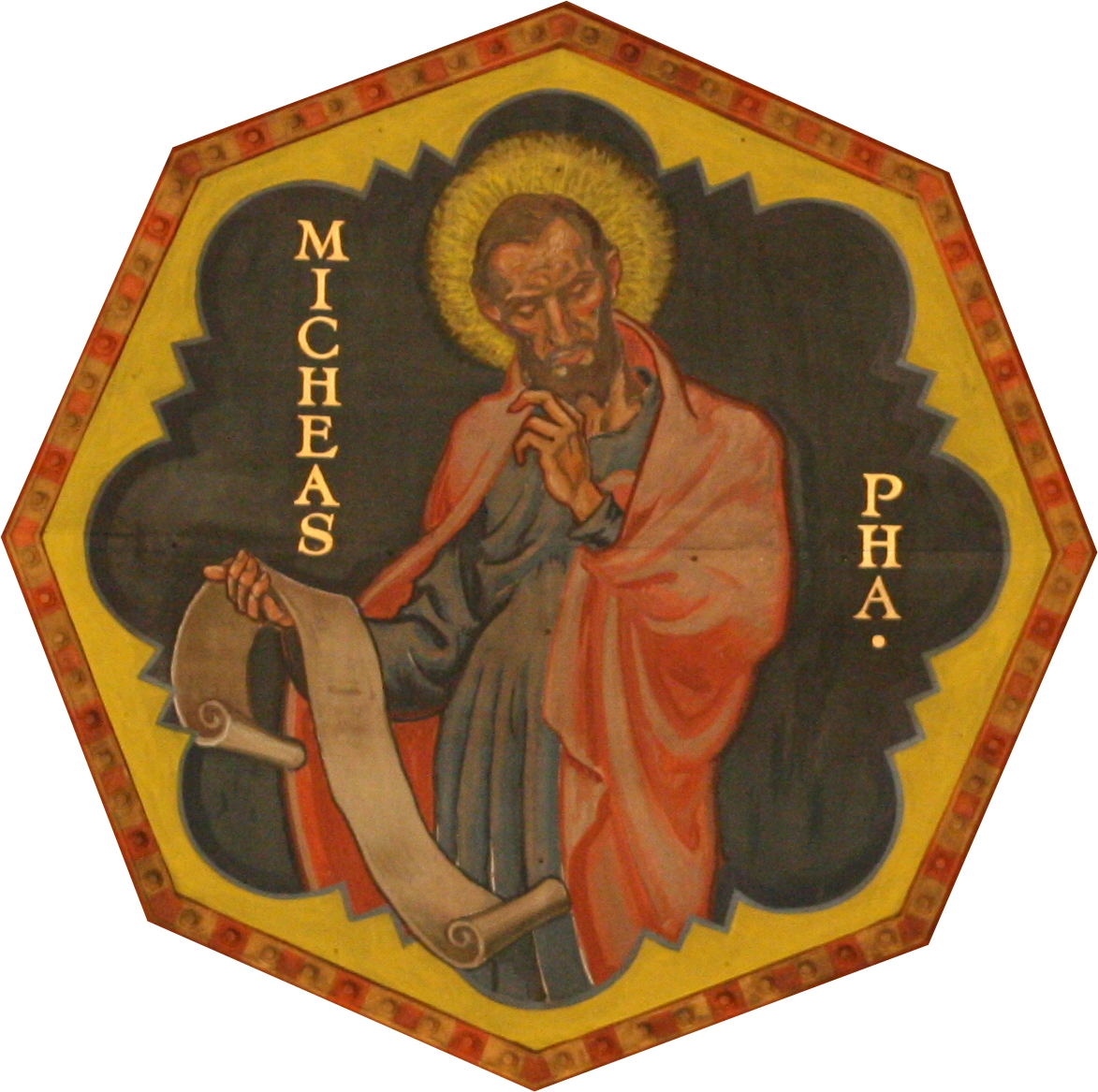
This paper seeks to reflect upon the pericope of Micah 3:1-12 in light of the entire book of Micah and its historical and religious situation in Salvation History. To begin to develop a full understanding
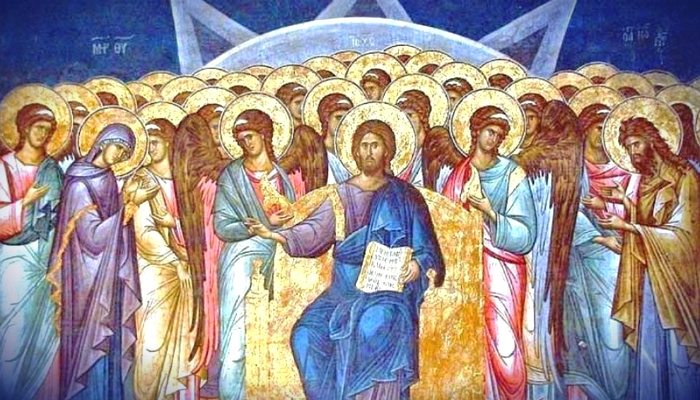
The doctrine of deification asserts that man’s true greatness is to be found in the fact that he is “called to be god.” It emphasizes that the human person realizes his true existence in the

Introduction Together with chapter six, Isaiah chapter seven forms a foundational axis for interpreting the entire book. These chapters function as theological linchpins whose literal sense must be grasped first, so that the beginning, middle,
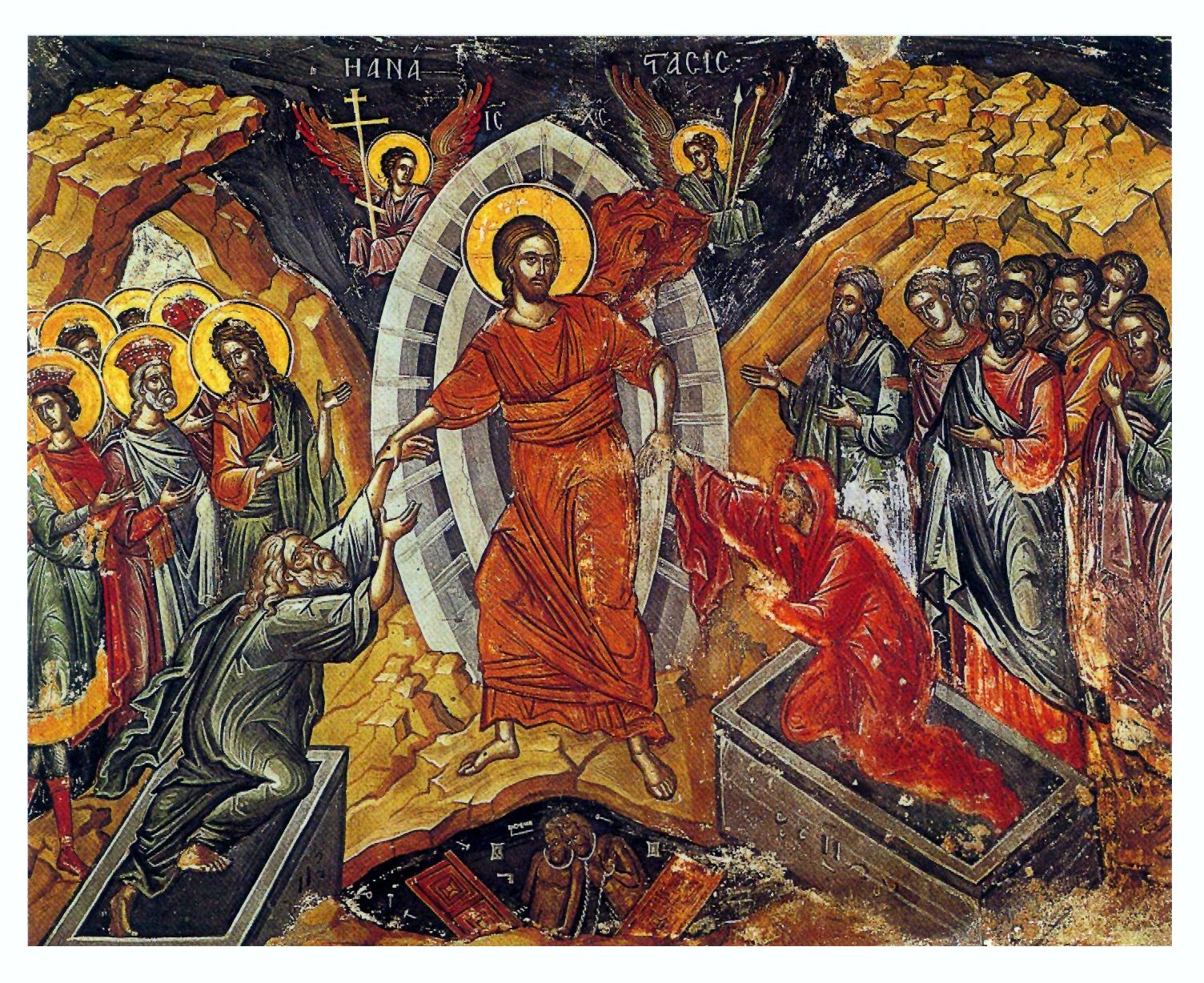
erhaps the most unexpected and striking article as Christians we profess in the Apostles’ Creed is our belief that Jesus descended into Hell. This is not said to undermine the wonder and otherness of Jesus’
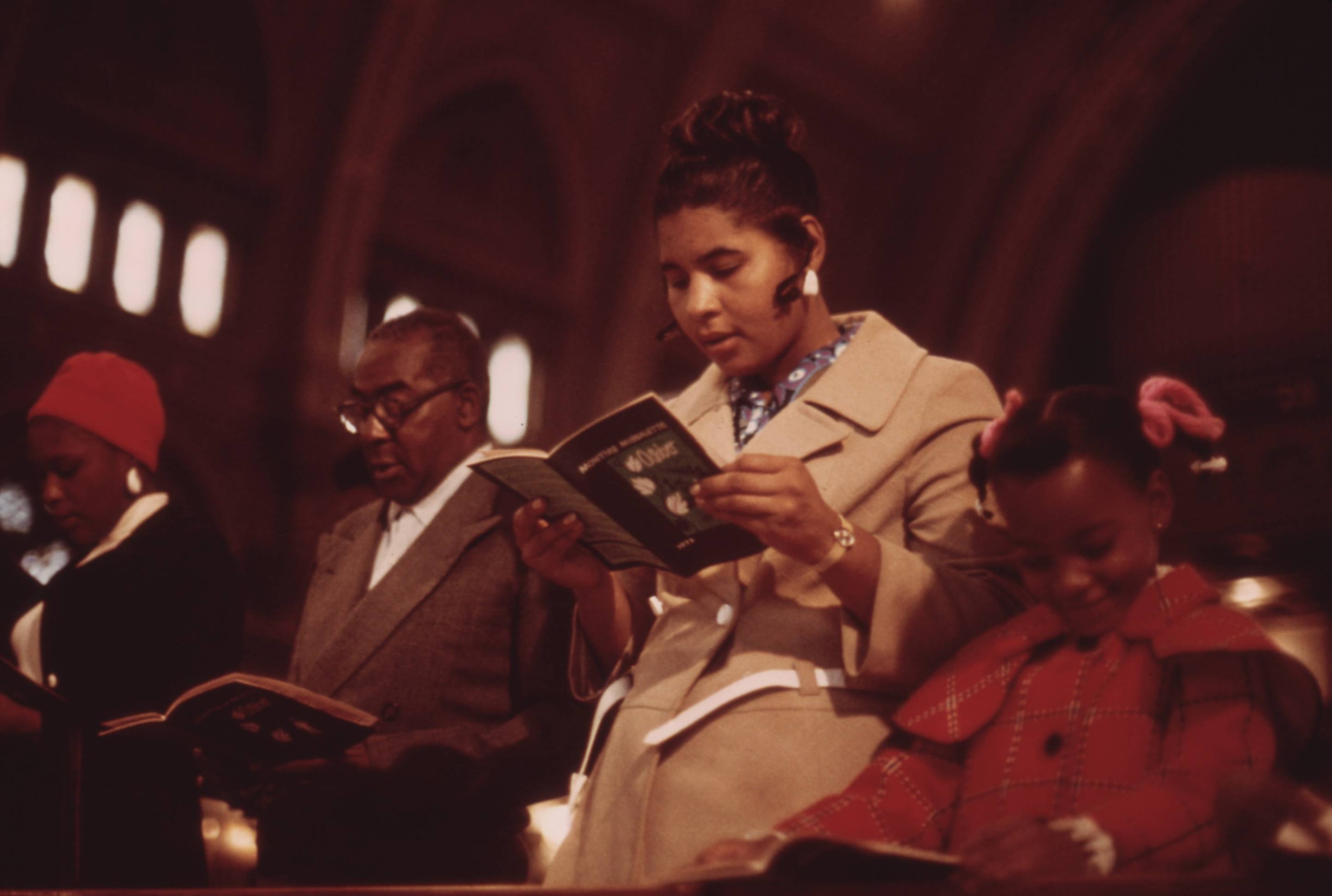
o ecclesiology can be referred to as authentically Christian in America that does not acknowledge the significance of white racism and the resulting white privilege in American society and the American Church. To remain silent
he pericope at the very end of the Gospel of John consisting of 21:15-25 may conclude the fourth Gospel, yet it is hardly to be thought of as the end of the story. Even before
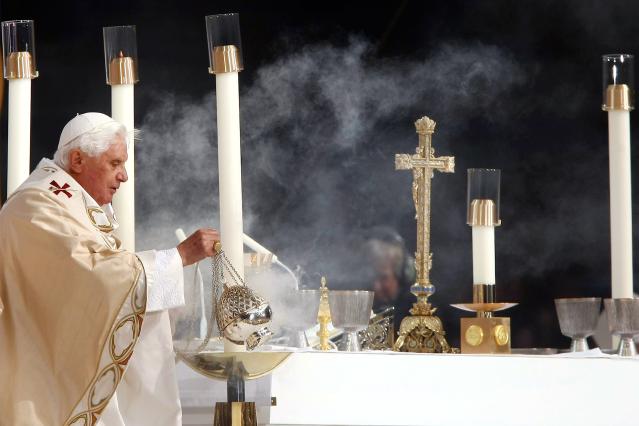
The Mass is not only a worship of God, but also a school of morality. In this article, the author explains how the Mass cultivates our moral life by forming our conscience, strengthening our will,
What is clearly inferred out of Jesus’ commissions is that this is an ongoing work that will naturally extend beyond the lifespan of the Apostles.

There remains to be fewer greater errors in regards to man’s historical perception of the Church than when he, sometimes in forgivable ignorance, posits that the Church emerged only after the Death of Jesus.
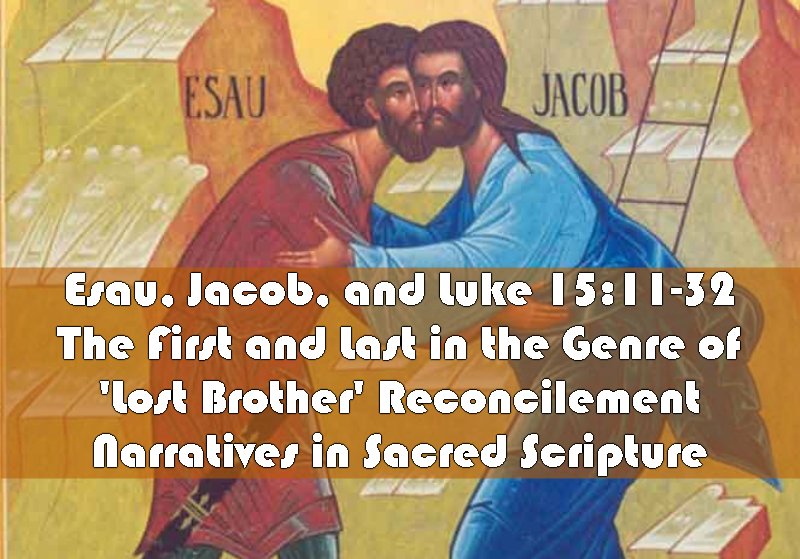
This narrative is rich in theological meaning and real life praxis of the faith. There is a great deal to say here about the trustworthiness of God, the silliness of fear, and the benefits of
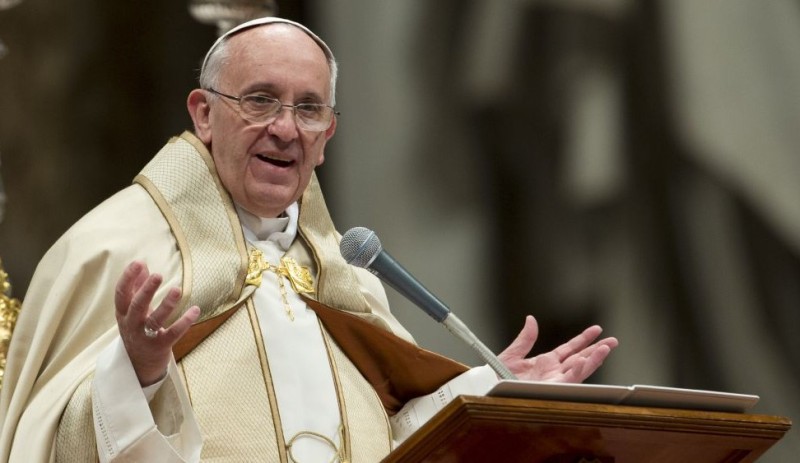
By searching out the most used keywords and themes in Pope Francis’ homilies from 2013 and 2014, I have found that Pope Francis does not seem to be very interested in engaging in a homiletic
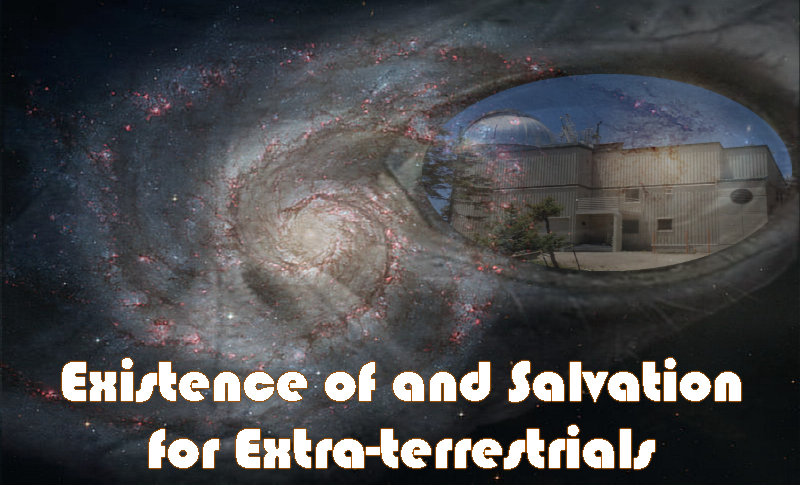
Altogether, the initial relationship between science and faith seems to be incompatible in regards to this question. Initially faith is only concerned with what to do with the possibility of ET life existing, while science
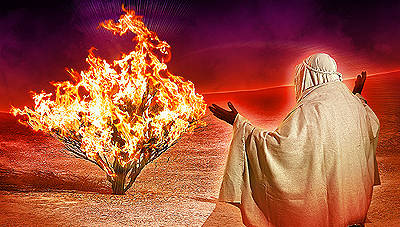
For their part, the Biblical narrators, through their literary devices of type-scene, word/phrase/concept repetition, and dialogue, have seamlessly tied Moses into the Covenant that God made with Abraham, Isaac, and Jacob.
This article explores the concept of Grace/Favor in the 'Pentateuch' and makes the distinctions about how it is applied throughout.
What the Divine and human authors intended to communicate through this encounter with YHWH and Moses is that the essence of the name of God is who God is in praxis. God actually is who
When I say that the order the Old Testament has a theological chronology, what I am suggesting is that its order leads us not only into an appropriate encounter with God, but also leads us
I never believed in love at first sight until I met Lesia. What began as a reluctant introduction through her brother became the quiet unfolding of a love I did not know I needed. Her
The Ark of the Old Covenant contained the Decalogue (which is the Law/Word), a Pot of Manna (which was the bread from Heaven that sustained the life of the Hebrews during the Exodus), and Aaron’s
The reason why St. Paul did quote and use themes from the book of Wisdom in his Letter to the Romans is because it is a book that they would have been very familiar with.

You must be logged in to post a comment.